Photo Rejuvenation
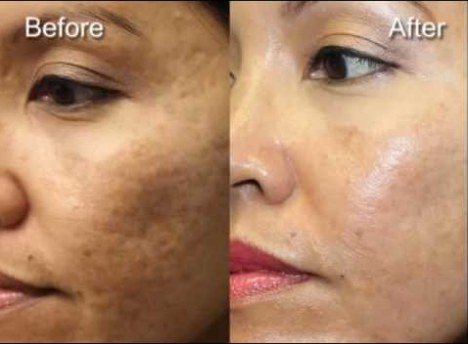
Imagine looking in the mirror and seeing your skin the way it looked ten years ago. Photo rejuvenation uses gentle pulses of light to fade sun spots, age spots, redness and uneven tone, so your complexion looks clearer, brighter and more even, with little to no downtime.
Why skin ages
As we get older, sun exposure, pollution, smoking, alcohol and stress all take their toll. At the same time, the skin makes less collagen, so fine lines deepen into wrinkles and the skin gradually loses its elasticity and firmness. Brown spots, broken capillaries and blotchy color build up over the years too.
Most cosmetics and moisturizers only treat the surface. They can offer a temporary improvement, but they can't renew the skin itself. Light- and energy-based treatments work beneath the surface, where these changes actually happen.
Skin rejuvenation options
Skin can be rejuvenated in several different ways. At your consultation we'll recommend the approach, or combination, that suits your skin and goals.
Thermal
A radiofrequency device gently heats the deeper skin layers to stimulate new collagen and tighten the skin. See Fractora →
Chemical
Chemical peels remove damaged surface cells to reveal fresher, smoother skin.
Light (photo rejuvenation)
Pulses of light from lasers or intense pulsed light (IPL) devices target pigment and redness beneath the surface. This is the treatment described on this page.
Mechanical
Dermabrasion, microdermabrasion or microneedling refresh the outer layers and encourage new skin growth. See Microdermabrasion →
Injections
Botox, dermal fillers and collagen-stimulating injectables soften lines and restore volume. See Dermal Fillers →
What photo rejuvenation treats
- Sun spots, age spots and freckles
- Redness, flushing and rosacea
- Broken capillaries and small spider veins on the face
- Blotchy, uneven skin tone
- Dull texture and enlarged-looking pores
- Mild fine lines, through gentle collagen stimulation
Common treatment areas include the face, neck, chest and backs of the hands.
How it works
Photo rejuvenation, often called IPL (intense pulsed light), delivers broad-spectrum light through a handpiece placed on the skin. The light is absorbed by unwanted pigment and by the blood in tiny visible vessels. That energy breaks up the pigment and seals off the vessels, which the body then gradually clears away.
The gentle warmth also stimulates collagen, which can improve texture and fine lines over time. The surface of the skin stays intact, so there's little to no downtime.
What to expect
- Free consultationWe look at your skin, discuss your goals and medical history, and make sure IPL is right for you.
- TreatmentYou'll wear protective eyewear while the handpiece is moved over the area. Most people describe the pulses as a quick snap, like a rubber band. A full face usually takes about 20–30 minutes.
- Right afterThe skin may look slightly pink, like a mild sunburn, for a few hours. You can usually return to normal activities the same day.
- The following daysBrown spots typically darken first, then flake off over about 1–2 weeks. Redness fades gradually.
- A series for best resultsMost patients need a series of 3–5 sessions spaced about 3–4 weeks apart, plus occasional maintenance visits.
Before your treatment
- Avoid sun exposure, tanning beds and self-tanner for 2–4 weeks beforehand
- Tell us about any medications, especially ones that increase light sensitivity
- Arrive with clean skin, without makeup or lotion on the treatment area
Aftercare
- Use a broad-spectrum sunscreen (SPF 30+) every day
- Keep skin moisturized, and don't pick at darkened spots as they flake
- Avoid hot tubs, saunas and intense exercise for 24–48 hours
- Skip harsh scrubs and exfoliating products for about a week
Frequently asked questions
Does photo rejuvenation hurt?
Most people find it very tolerable. Each pulse feels like a quick, warm snap. Treatment is fast, and the sensation stops as soon as the pulse ends.
How soon will I see results?
Many patients notice spots and redness fading within 1–2 weeks of the first session. Results build with each treatment in the series.
How long do results last?
Treated spots and vessels are cleared, but aging and sun exposure continue, so new ones can appear over time. Daily sunscreen and an occasional maintenance session help keep your results.
Who is not a good candidate?
IPL may not be right for you if you have a recent tan or sunburn, are pregnant, have certain skin conditions, or take medications that increase light sensitivity. Some darker skin types are better suited to other treatments. We'll review all of this at your free consultation.
Can it be combined with other treatments?
Yes. Photo rejuvenation pairs well with Fractora, microdermabrasion, Botox and fillers for a more complete result. We'll help you plan the right combination and timing.
This page is for general information and isn't medical advice. Suitability, number of sessions and results vary by person and are determined at your consultation.
See if photo rejuvenation is right for you
Free consultation with our experienced medical team.